
- Annapurna Region
- Everest Region
- Kanchenjunga Region
- Langtang Region
- Makalu Region
- Manaslu Region
- Rolwaling Region
- Wild West Region
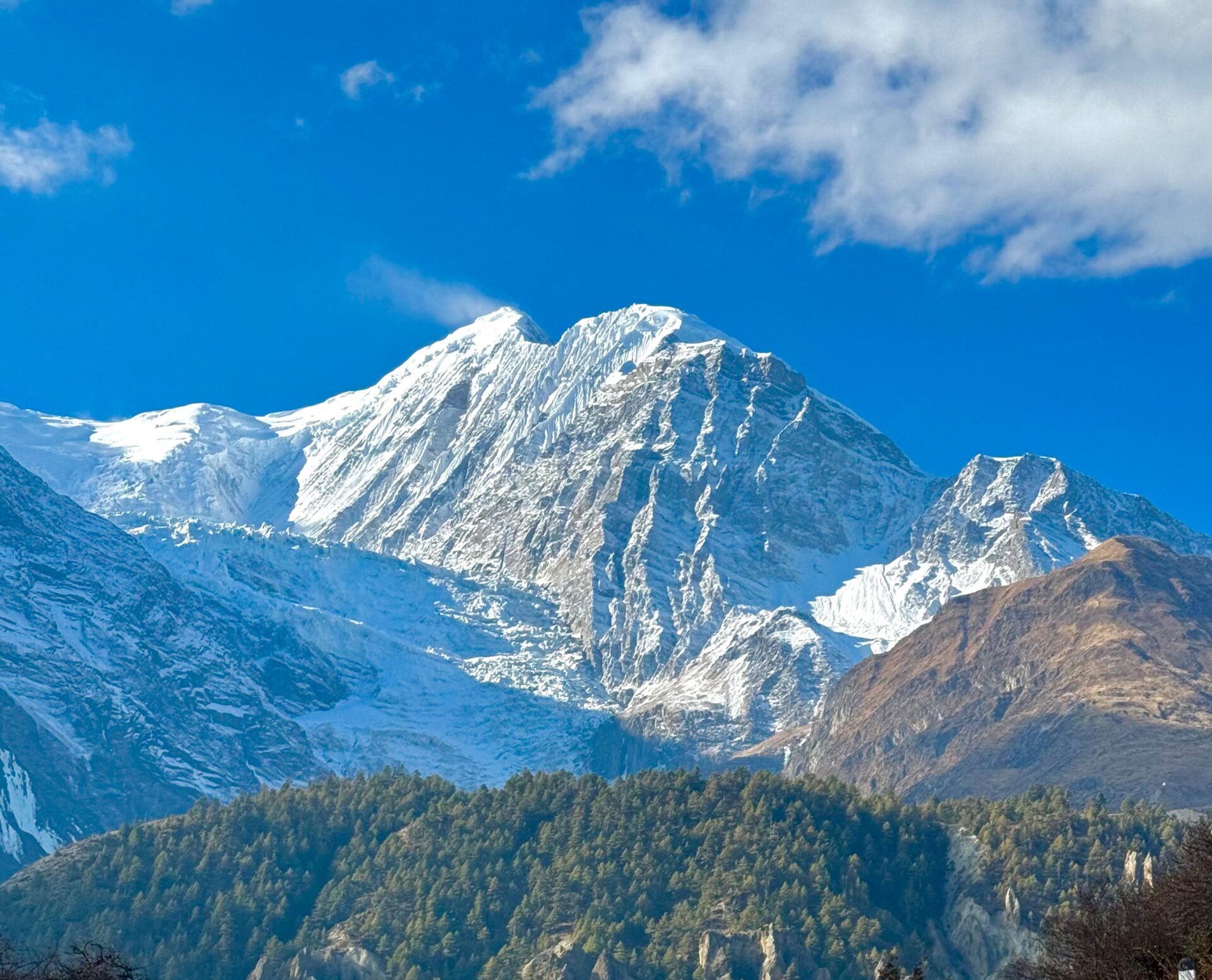
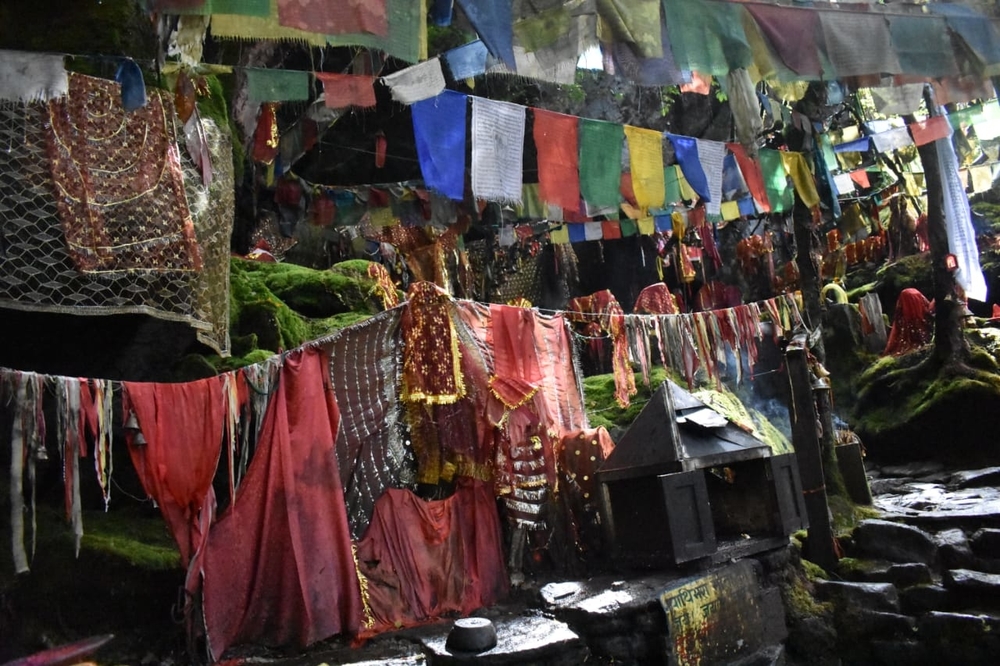
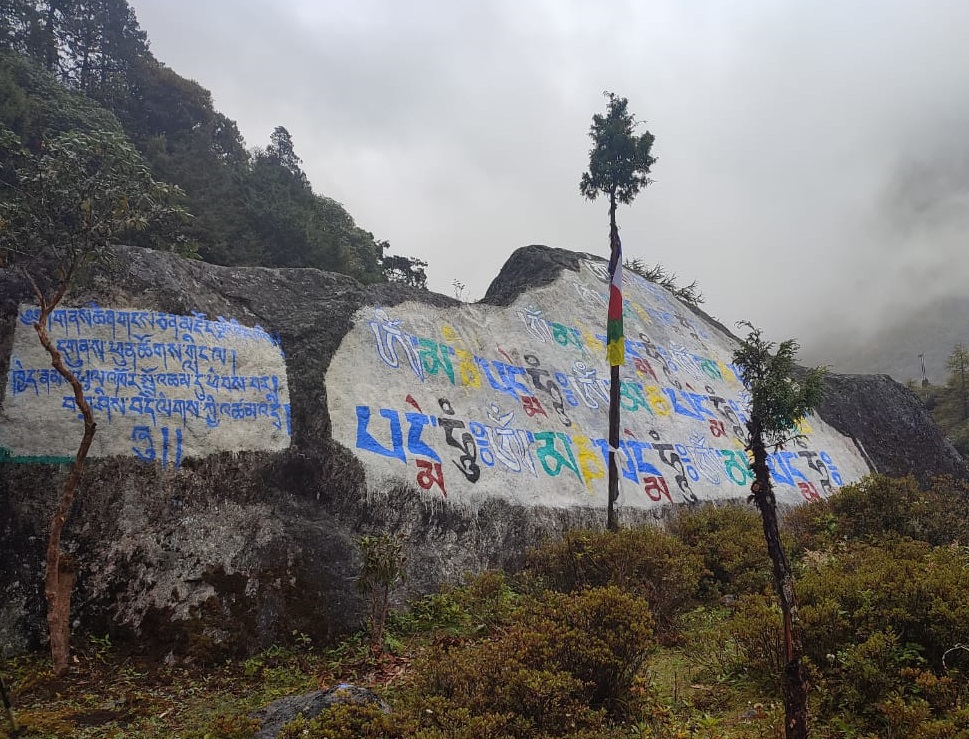
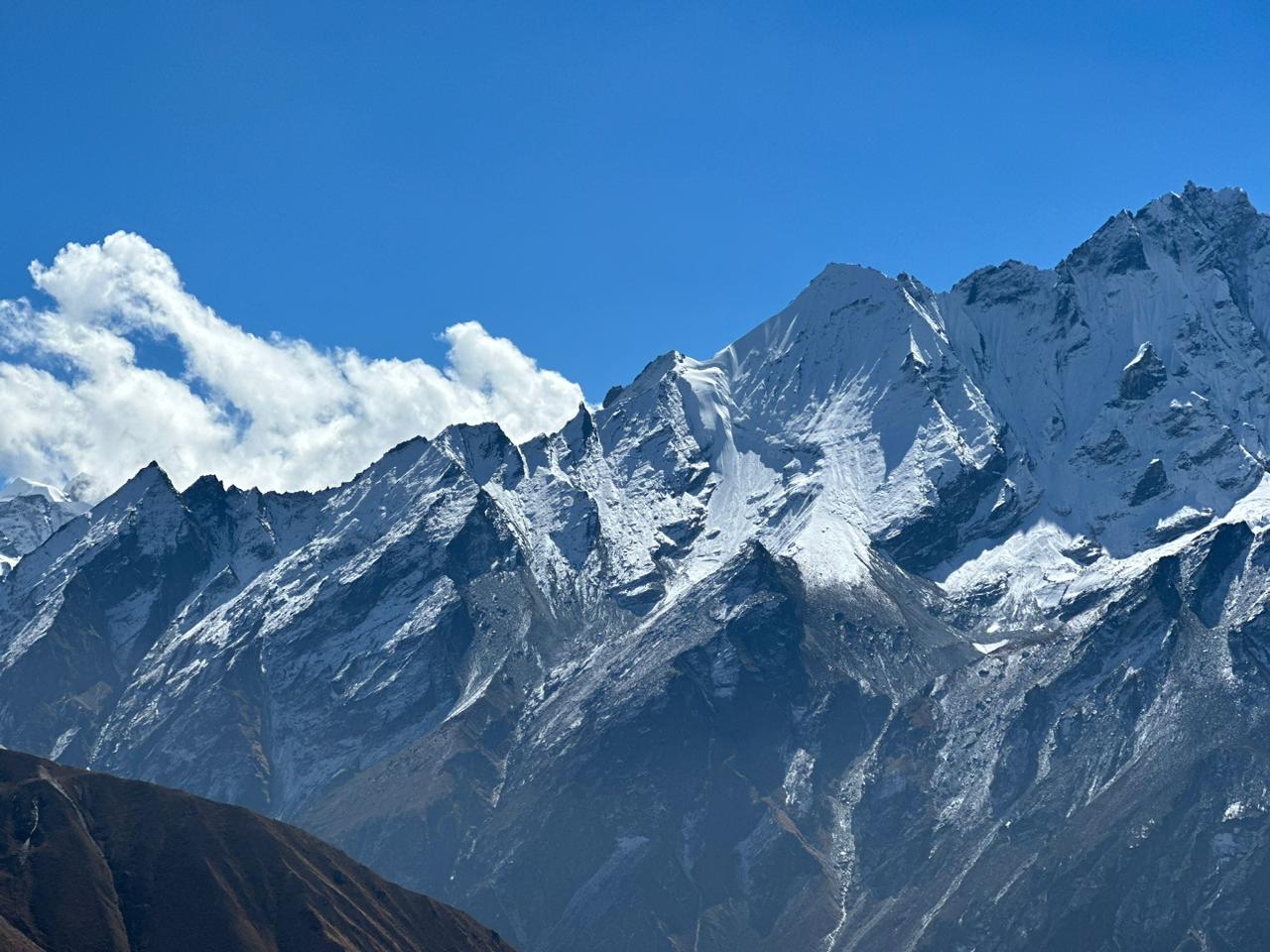
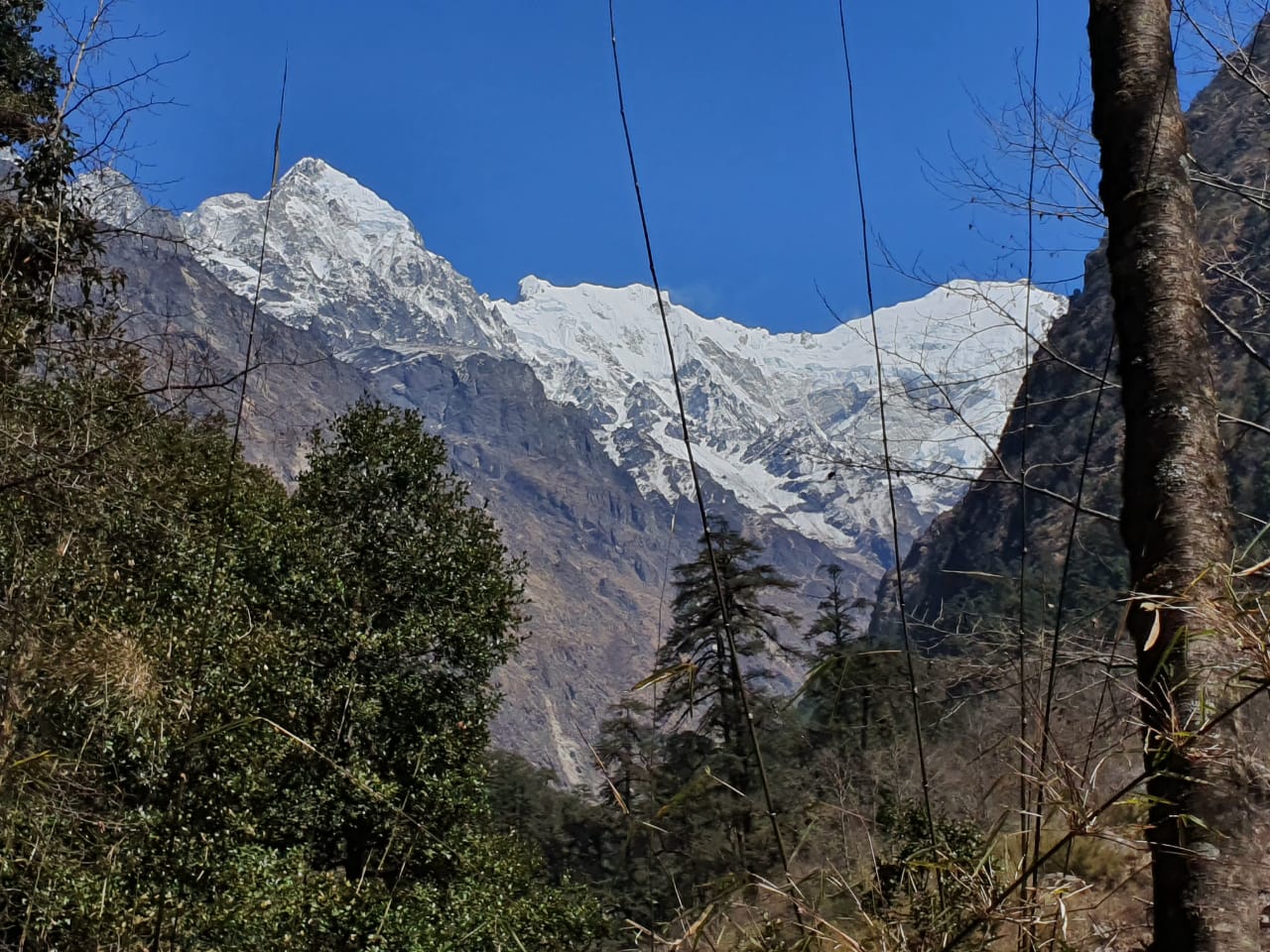
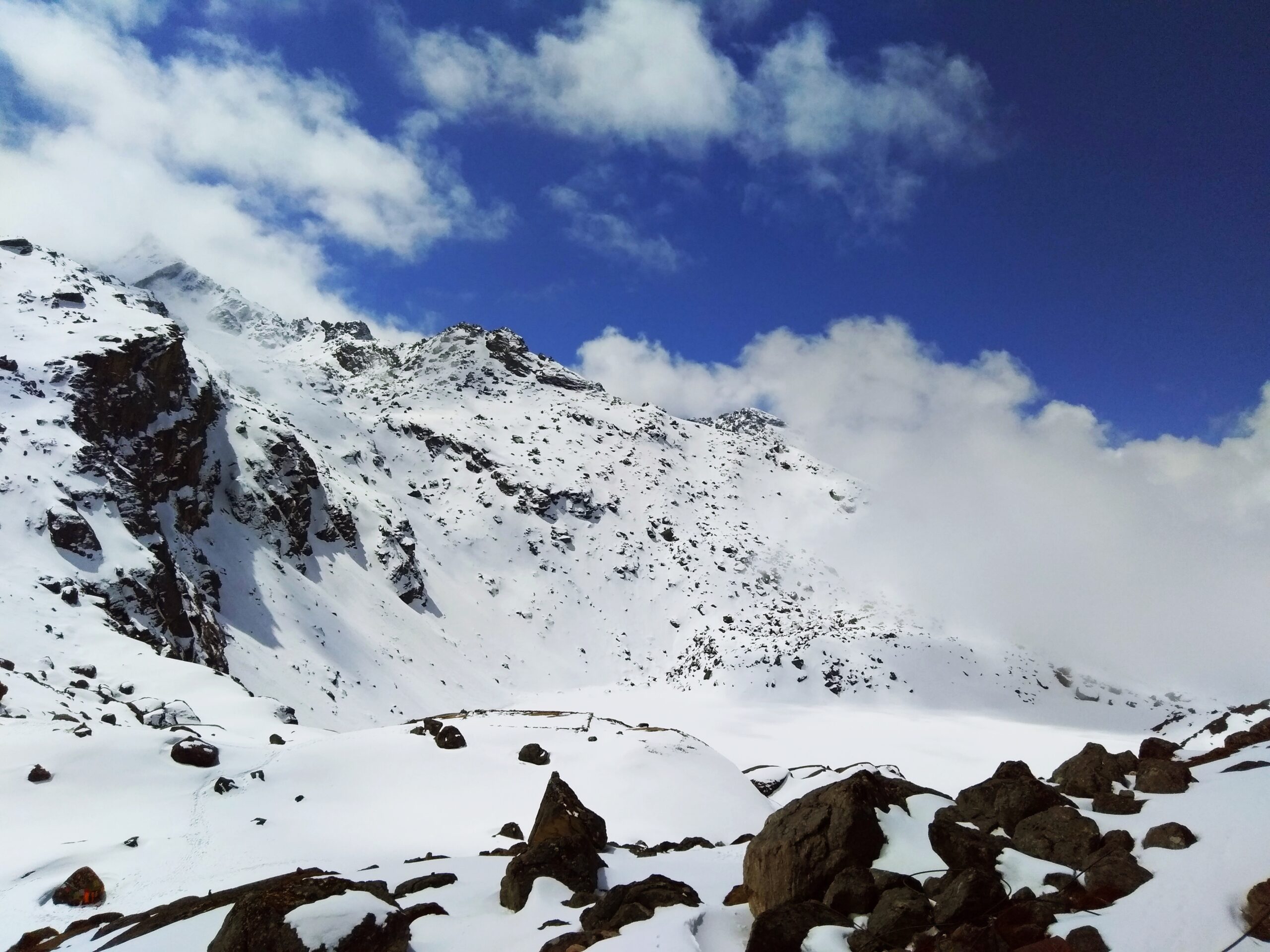
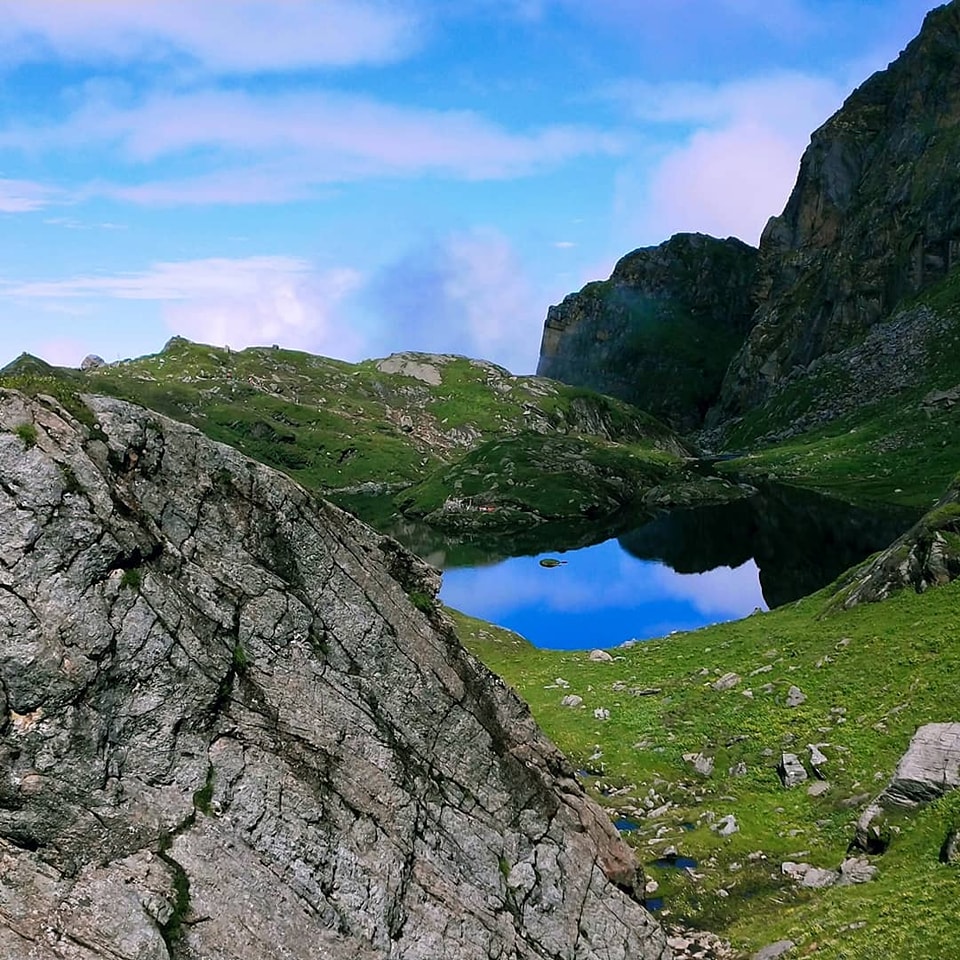
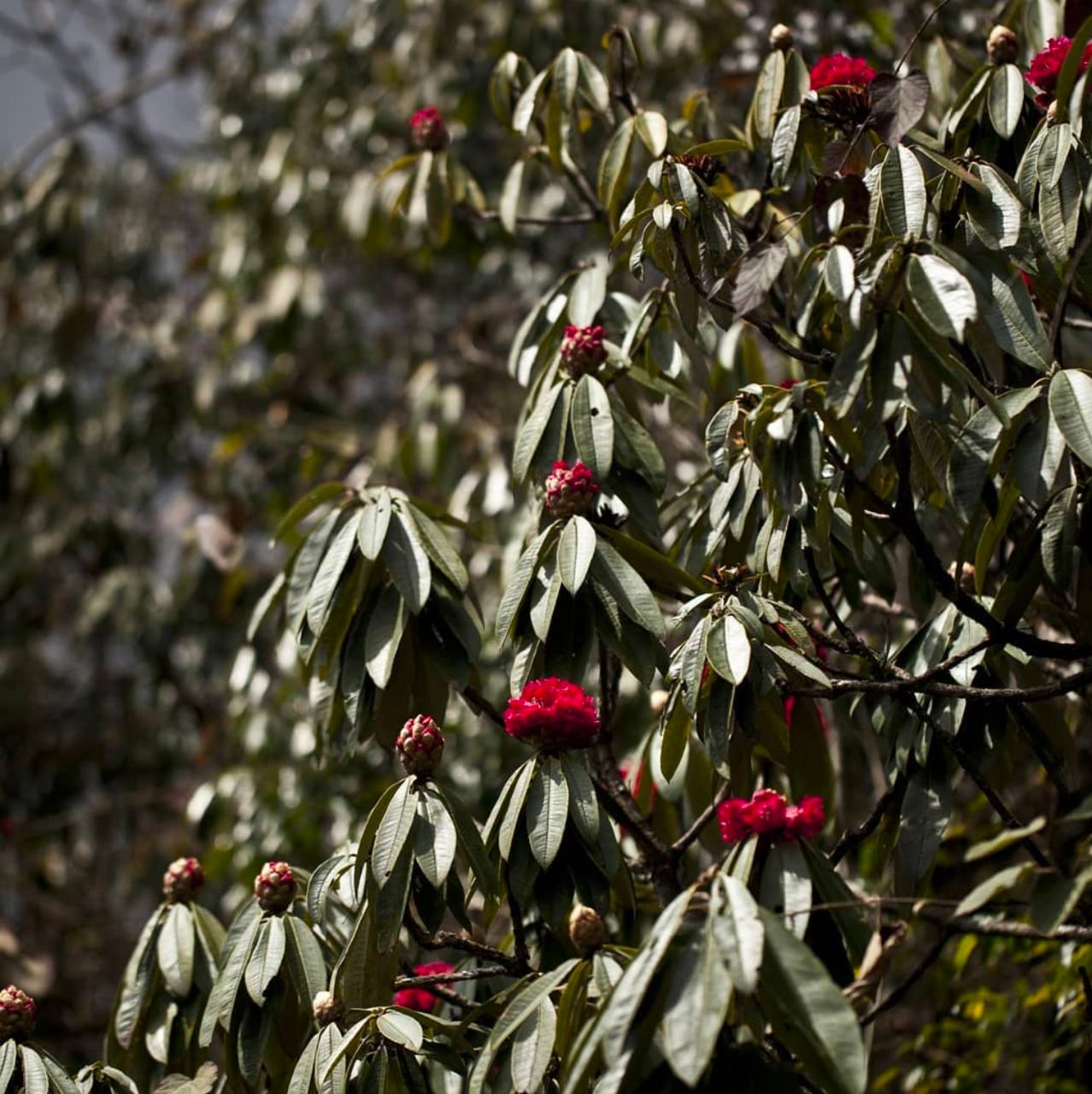
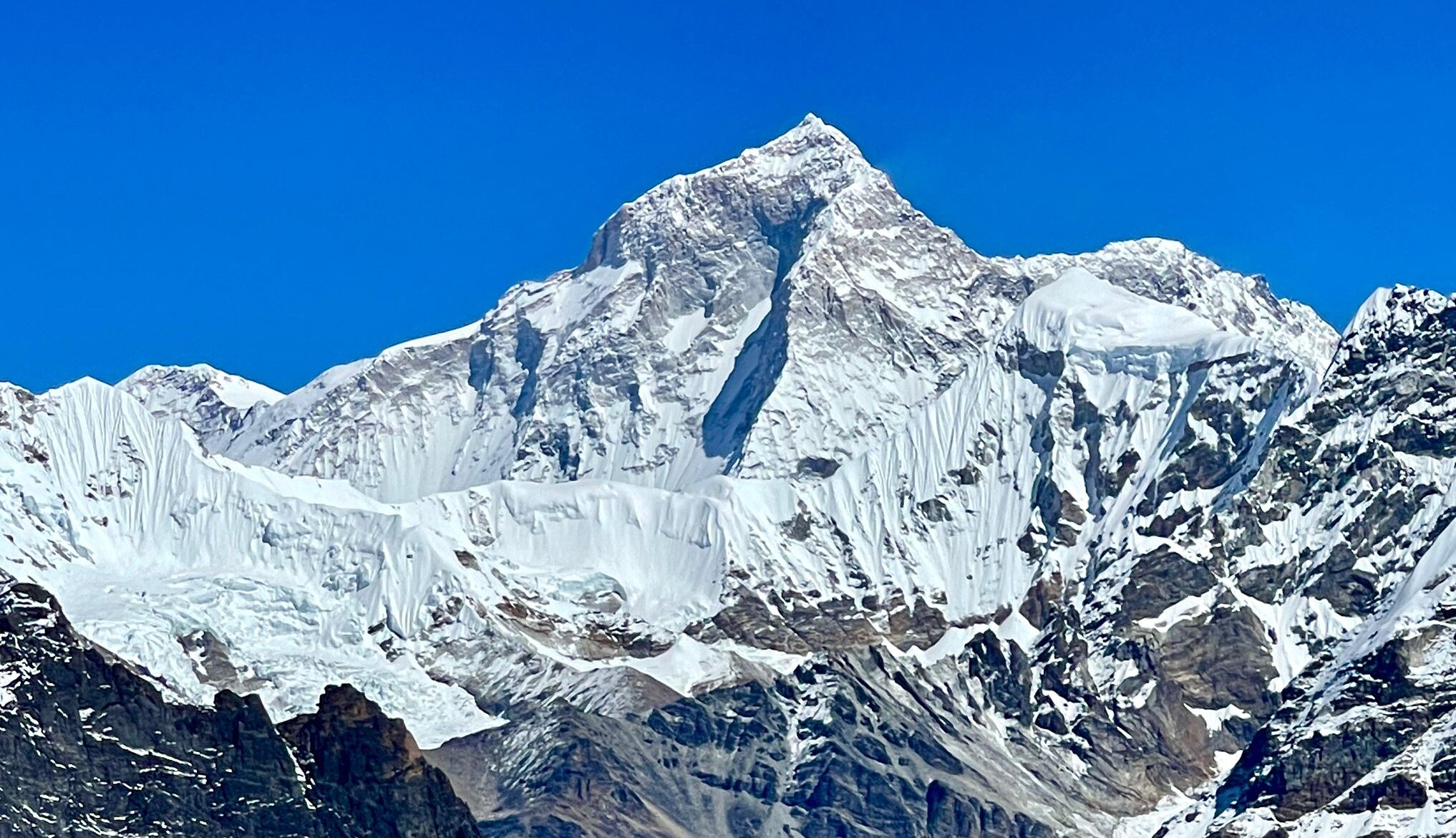
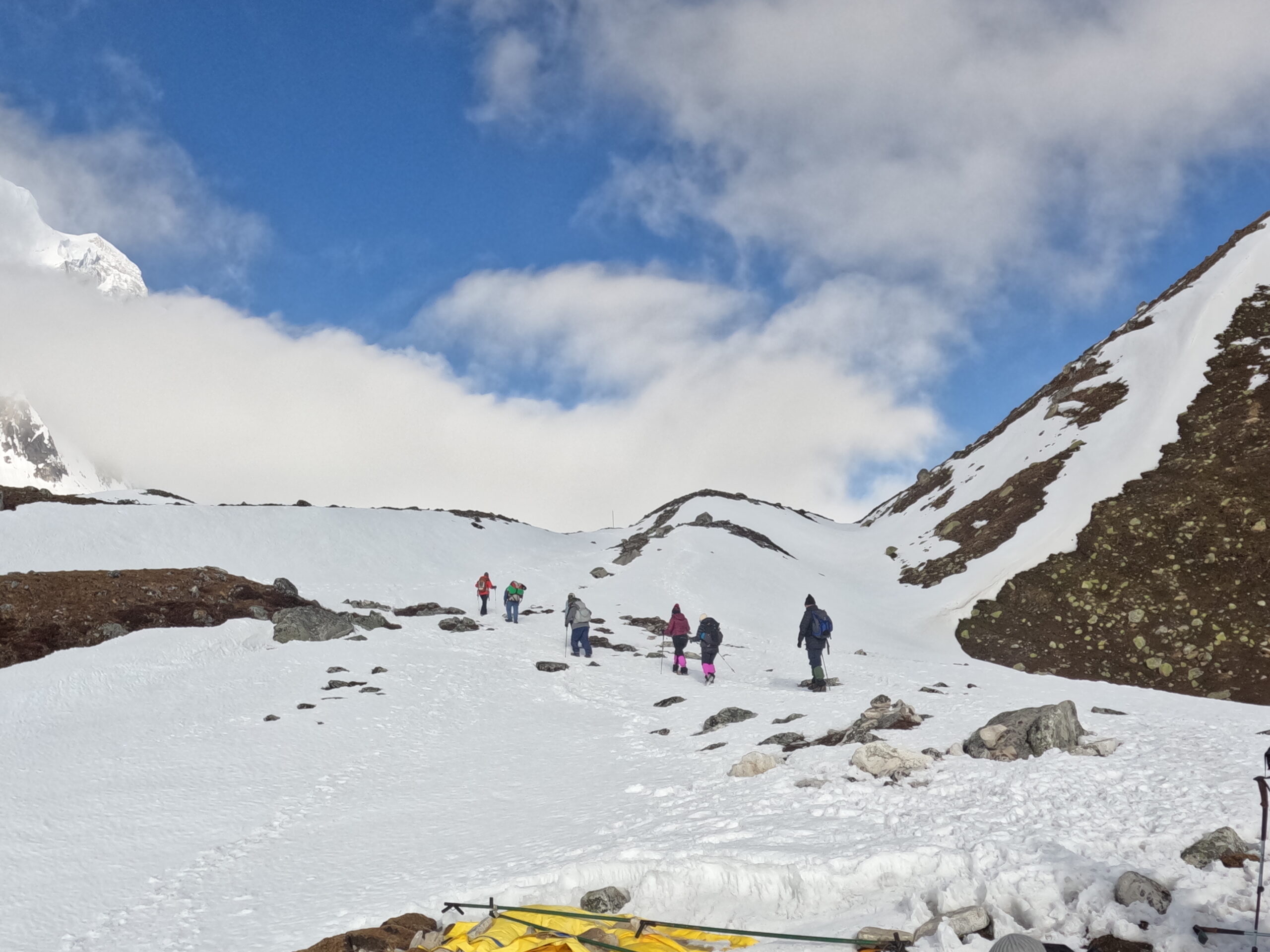
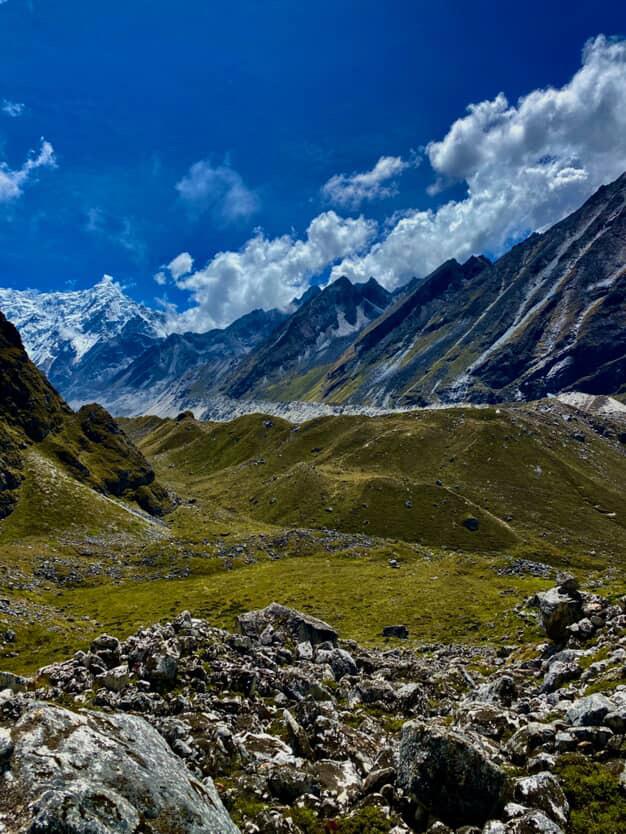
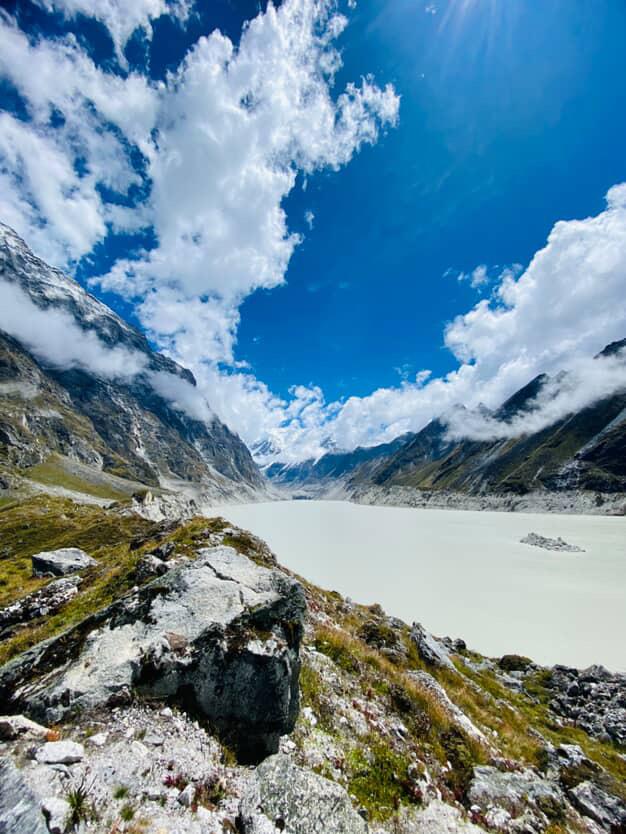
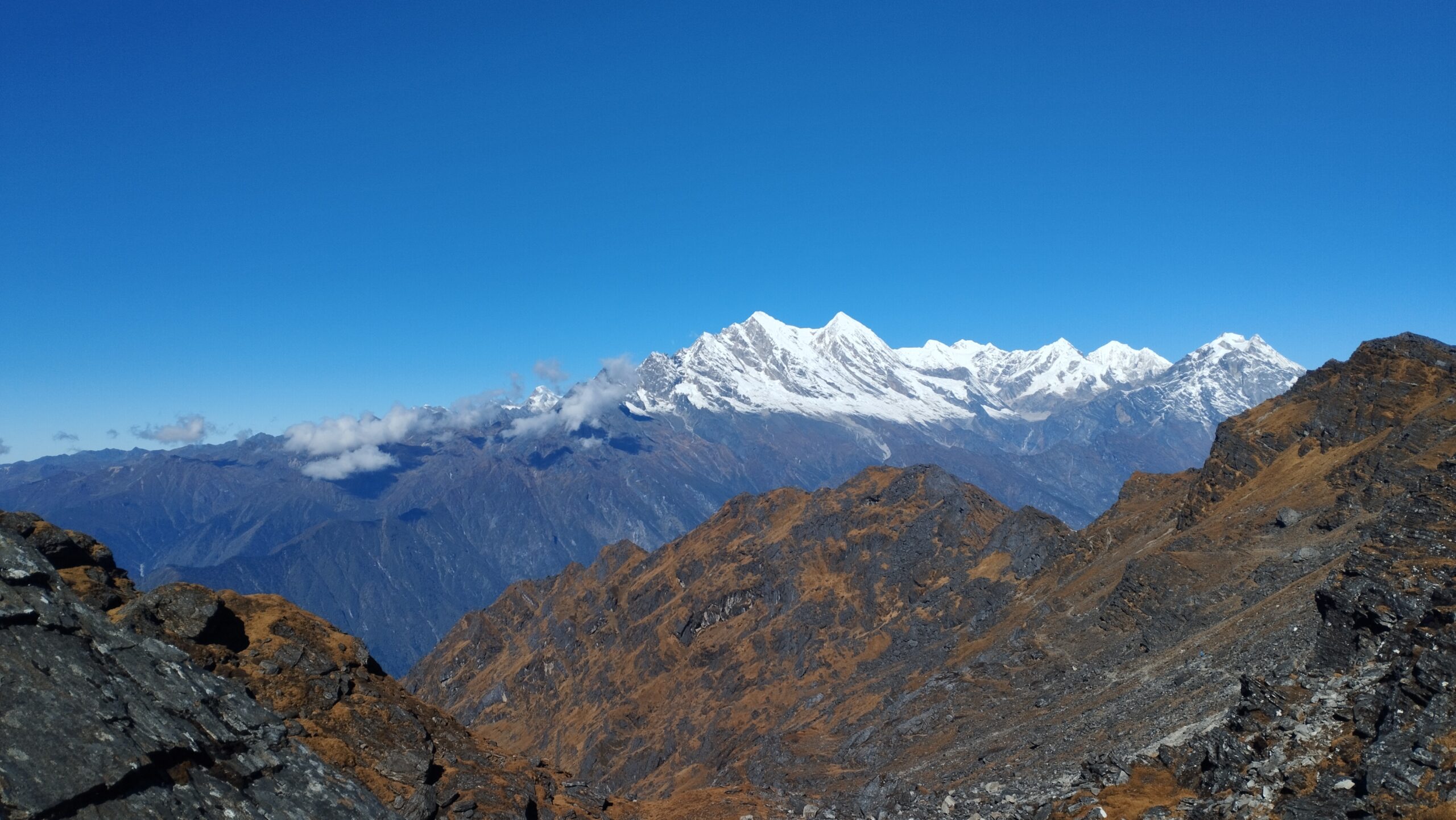
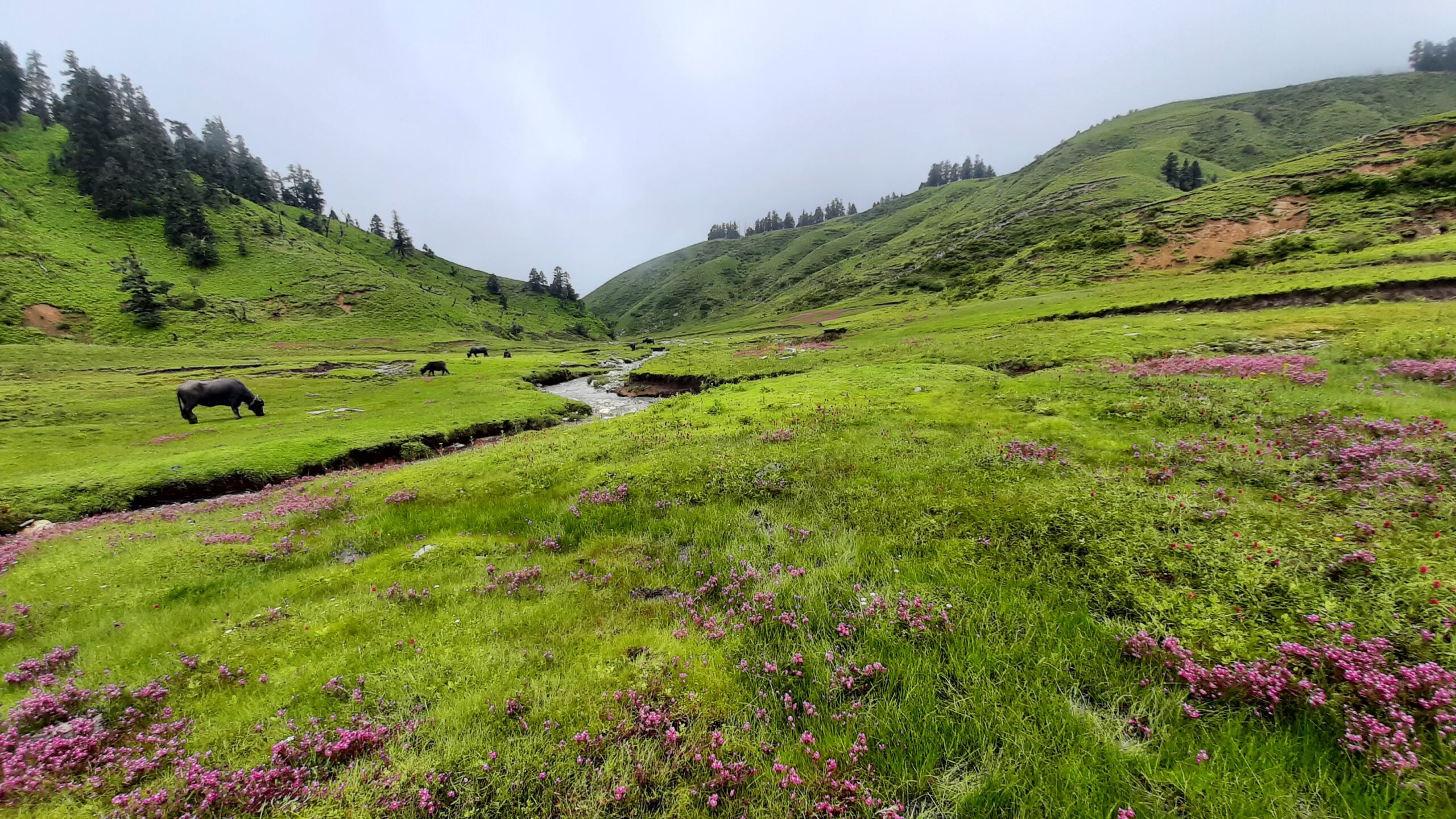
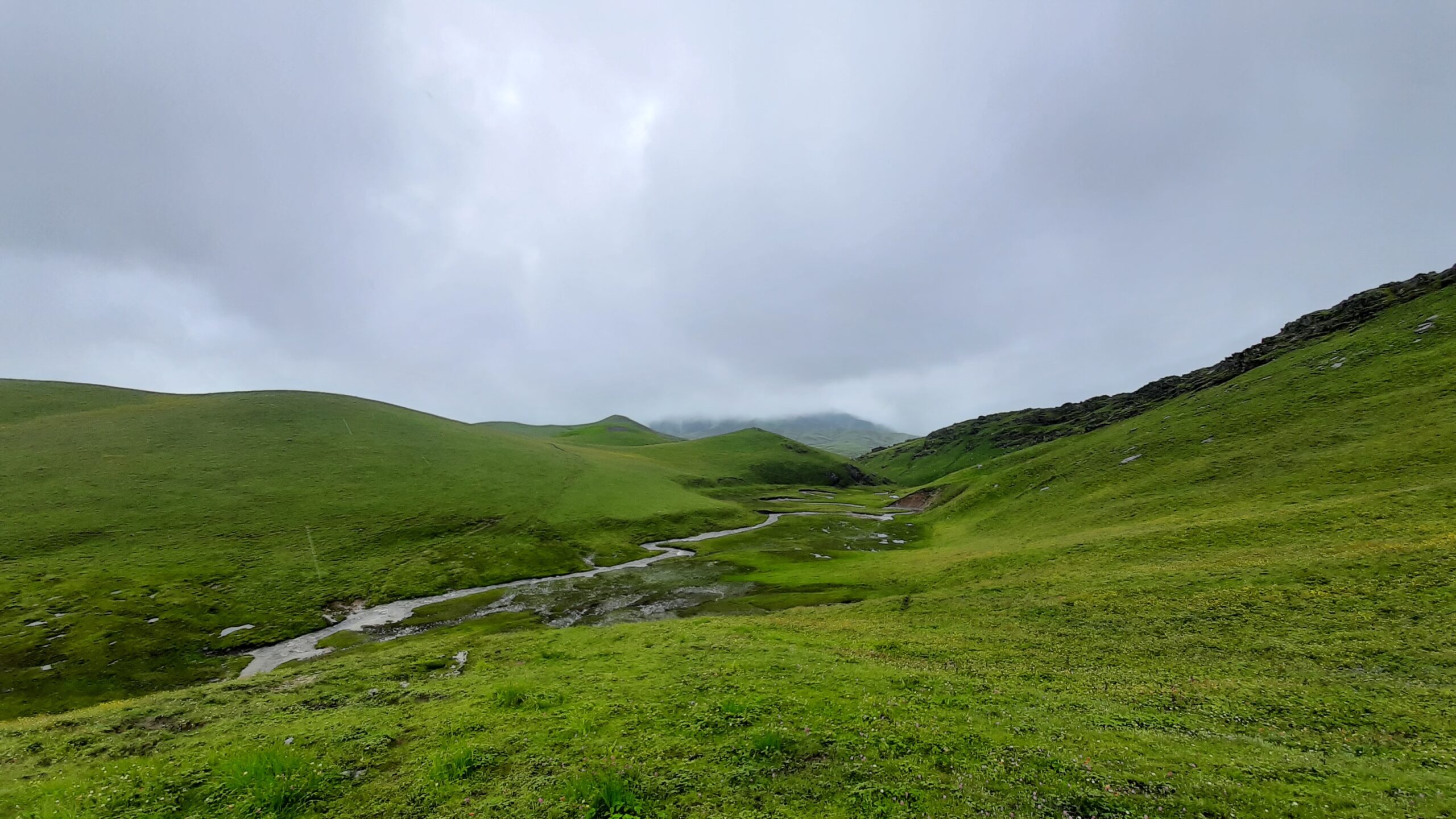
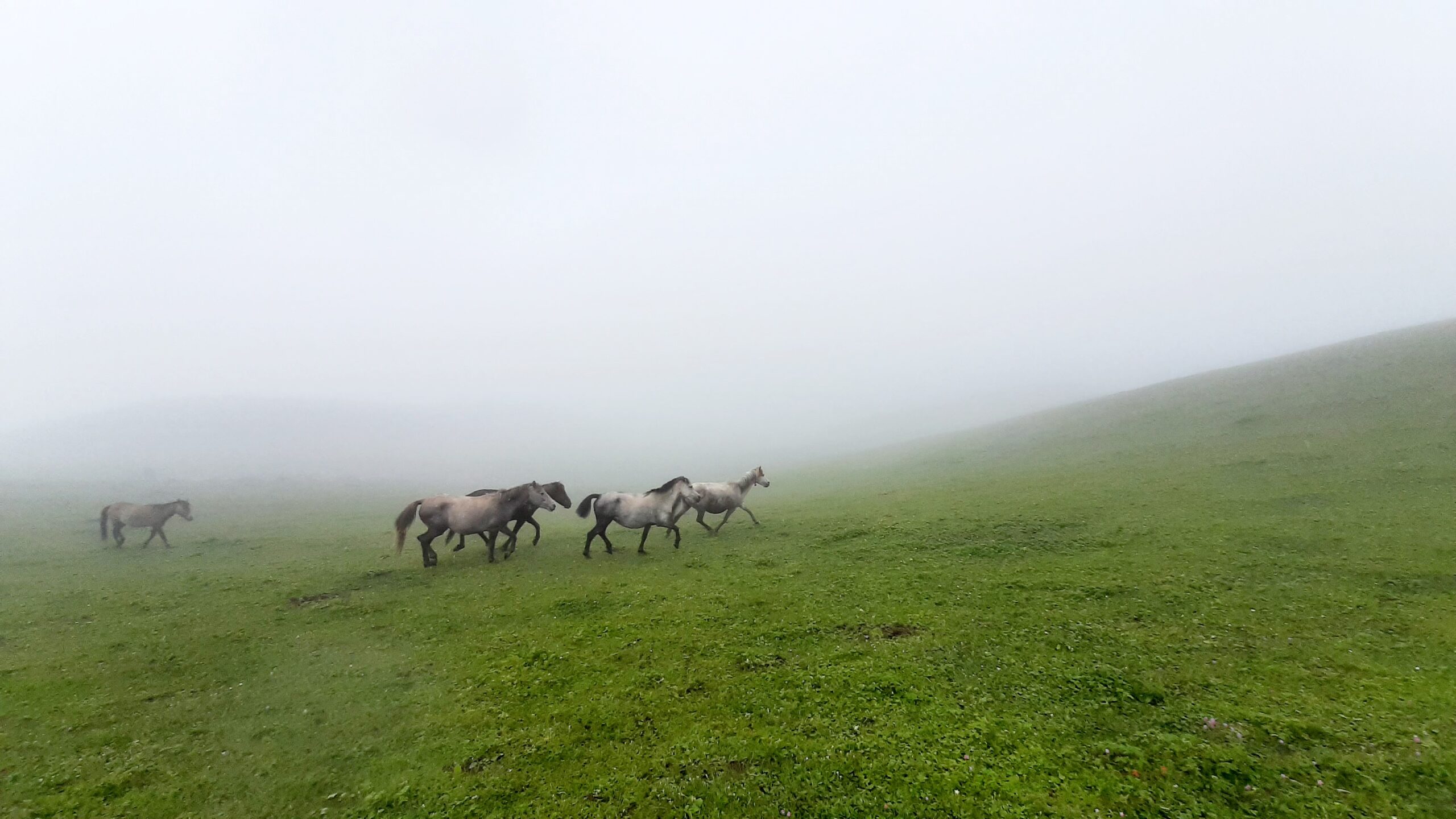
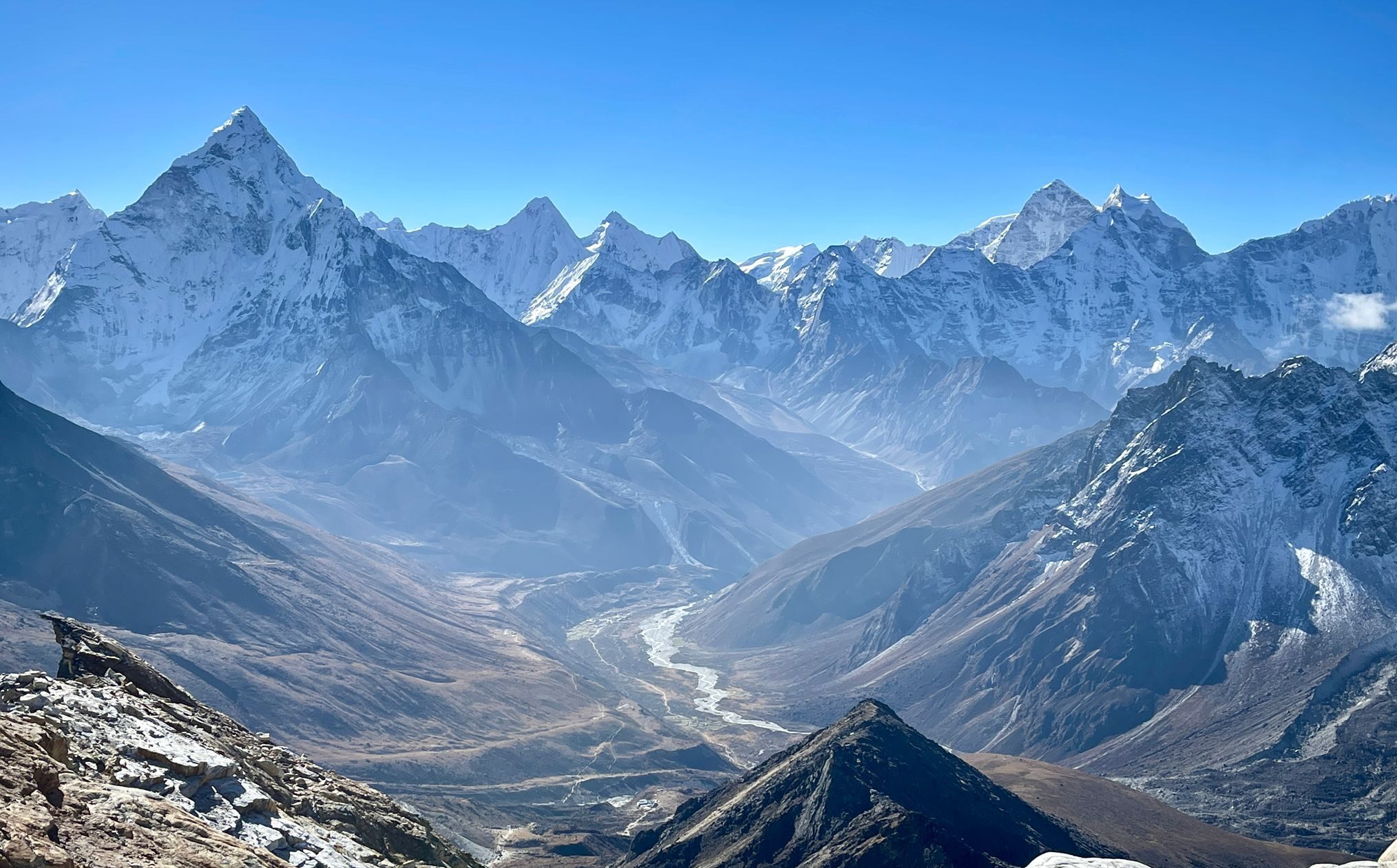
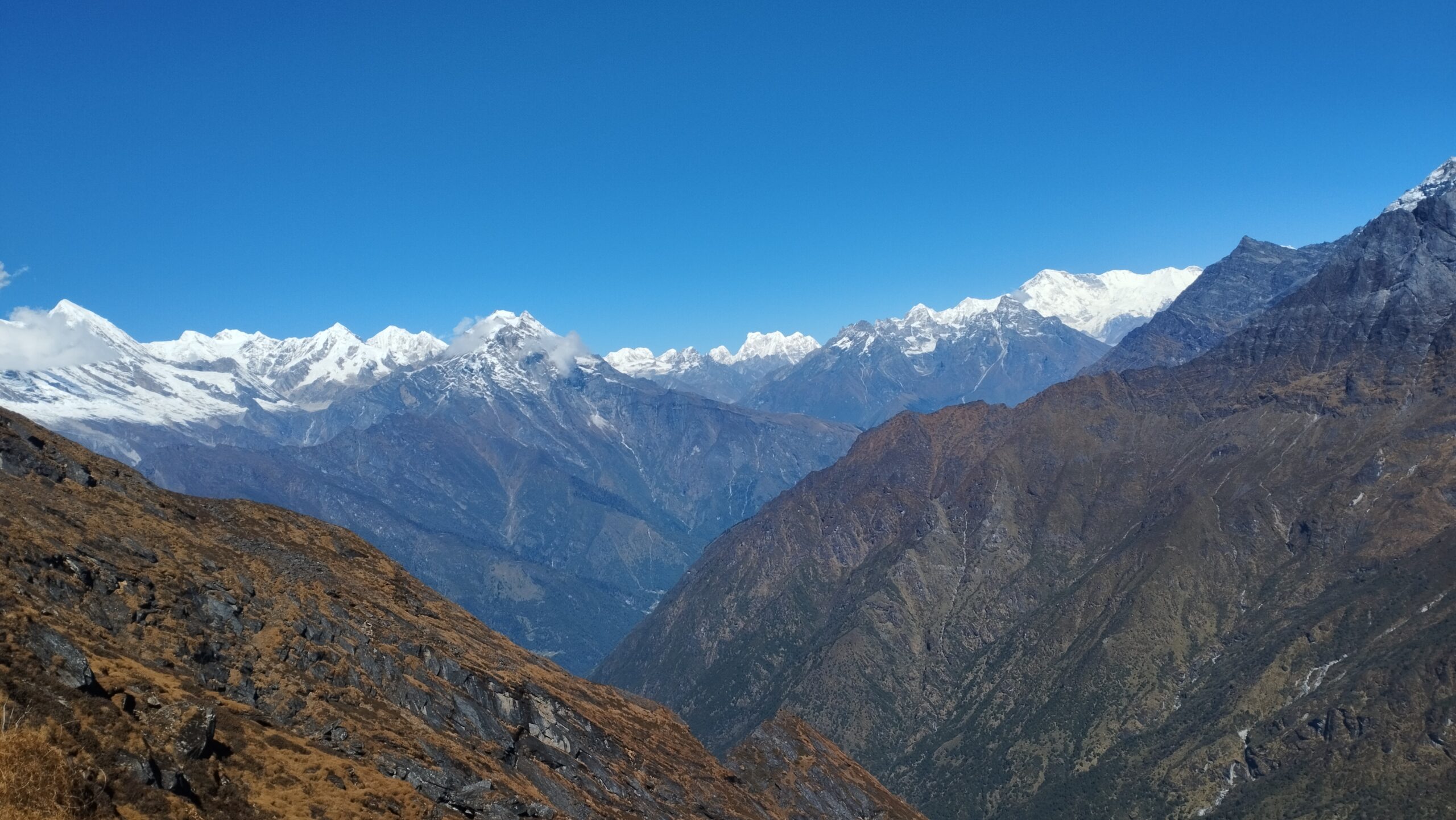
The Everest Region, also known as the Khumbu Region, is one of the most iconic trekking destinations in Nepal and the world. Located within the Sagarmatha National Park, a UNESCO World Heritage Site, this region is home to Mount Everest (8,848.86 m) and a spectacular range of Himalayan peaks including Lhotse, Nuptse, Ama Dablam, Cho Oyu, and Thamserku, Cholatse, Kangtenga. Every year thousands of tourist come to this Region for trekking, climbing, etc. as this region offers varieties of destinations and routes for trekking with different grade of difficulties, hundreds of peaks and mountains for climbing, beautiful scenery of snow-capped mountains, lush green hills, flowing rivers, flora and fauna, rich Sherpa Culture, and many more.
Major Trekking Routes in the Everest Region
The Everest Region offers a wide range of trekking trails designed for beginners, seasoned hikers, and mountaineers:
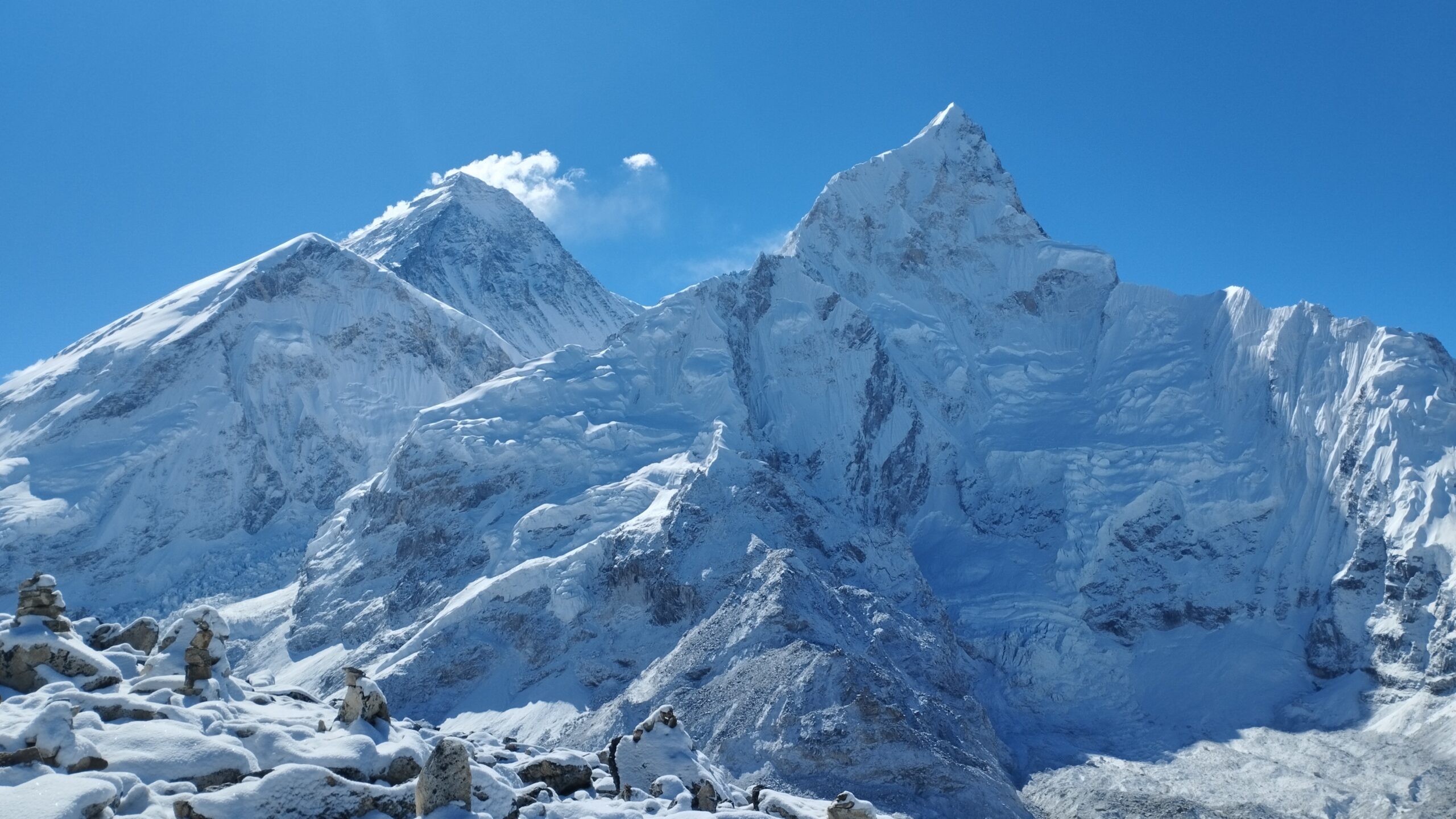
- Everest Base Camp Trek (EBC) – The most popular trek in Nepal, offering stunning views of Mount Everest, Lhotse, Nuptse, Ama Dablam and Sherpa villages like Namche Bazaar, Tengboche, Pangboche and Dingboche.
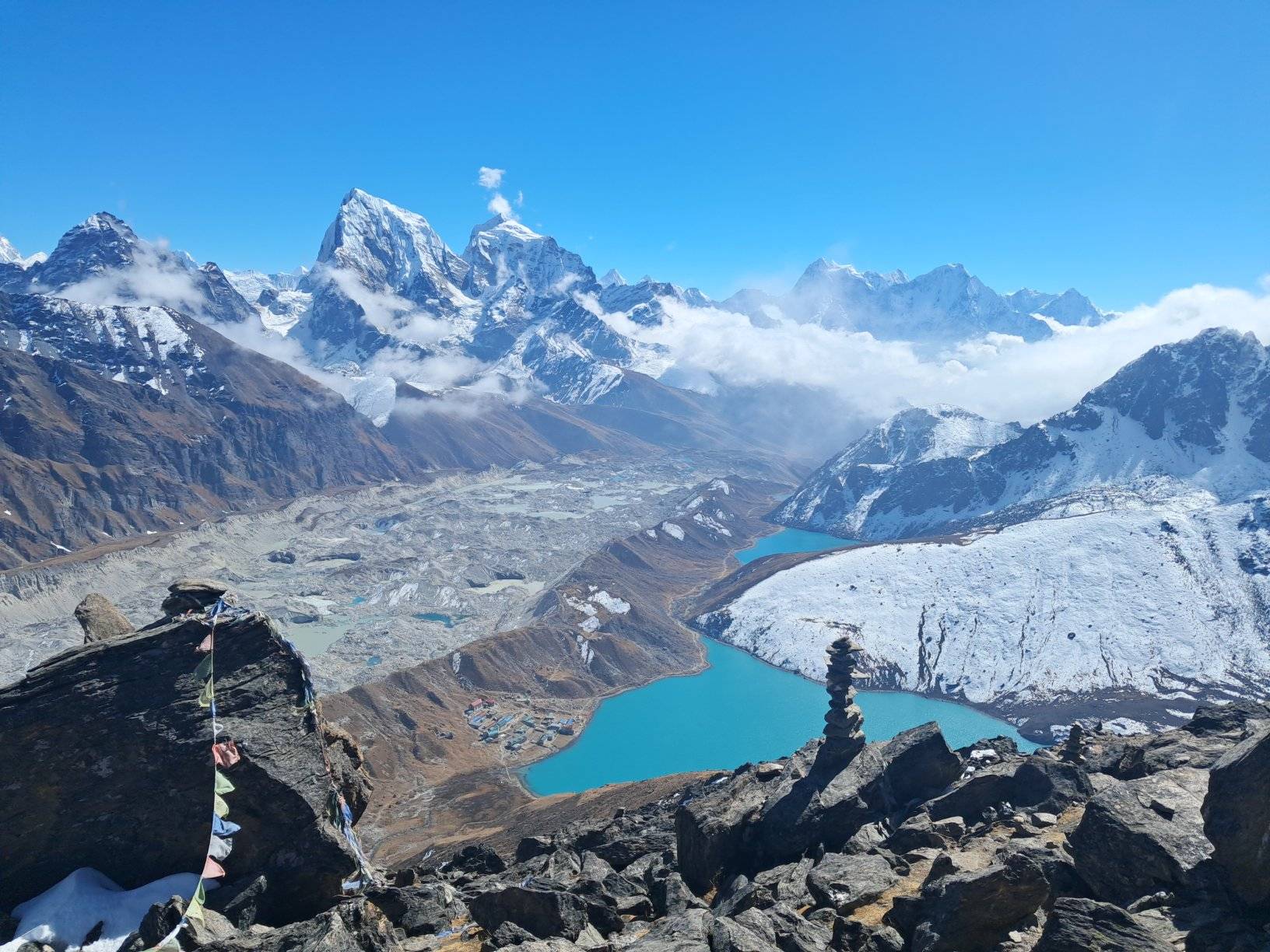
- Gokyo Lakes Trek – Renowned for its turquoise glacial lakes, scenic climb to Gokyo Ri, and views of the Ngozumpa Glacier.
- Everest Three Passes Trek – A challenging high-altitude circuit crossing Kongma La Pass (5,535m/18,155ft), Cho La Pass (5,420m/17,778ft), and Renjo La (5,360m/17,580ft) for unparalleled panoramas.
- Everest Panorama Trek – A short and scenic trek ideal for beginners and families.
- Island Peak, Lobuche Peak & Mera Peak Climbing Routes – Perfect for climbers seeking Himalayan mountaineering experiences.
These trekking routes not only highlight the beauty of the Himalayas but also offer authentic Sherpa hospitality, Buddhist monasteries, and cultural immersion.
Flora and Fauna of Sagarmatha National Park
The Everest Region is rich in biodiversity, thanks to its protected status within Sagarmatha National Park:
Flora
- Lush forests of rhododendron, pine, fir, birch, and juniper in lower elevations.
- Alpine meadows, dwarf shrubs, and high-altitude grasses above 4,000m.
- Mosses and lichens dominating the upper Himalayan slopes.
Fauna
- Rare species such as the snow leopard, Himalayan thar, musk deer, and red panda.
- Birdlife featuring the Himalayan monal, snowcock, blood pheasant, and eagles.
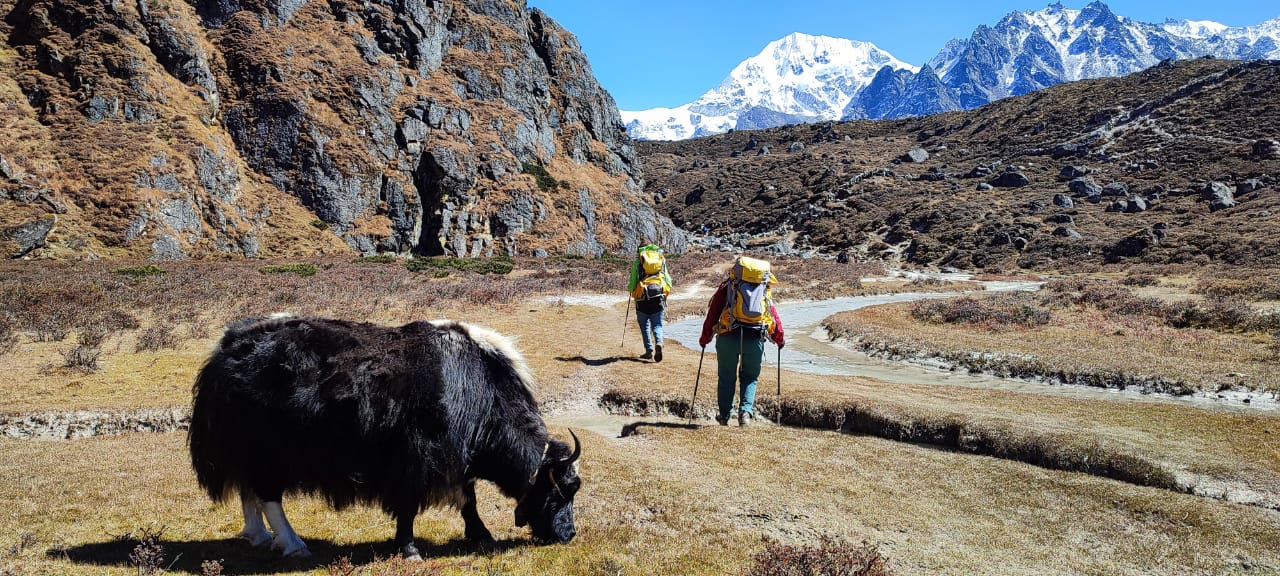
- Domesticated yaks commonly used for transport in higher villages.
Climatic Conditions in the Everest Region
The Everest Region experiences diverse weather patterns that vary with altitude and season:
- Spring (March–May): Clear skies, mild temperatures, and blooming rhododendrons—one of the best trekking seasons.
- Autumn (September–November): Stable weather, superb mountain views, and ideal trekking conditions.
- Winter (December–February): Cold temperatures and snow, suitable for experienced trekkers seeking quiet trails.
- Monsoon (June–August): Rainfall at lower elevations and cloudy conditions, though trekking is still possible with proper preparation.
Because weather can change quickly in high altitudes, trekkers should be equipped for cold temperatures year-round.
How to Access the Everest Region?
The primary gateway to the Everest Region is Lukla, home to the famous Tenzing–Hillary Airport:
- Flight from Kathmandu or Ramechhap to Lukla – The fastest and most common way to enter the region.
- Drive to Surke via Salleri & trek to Lukla or Phakding – A scenic overland approach offering gradual acclimatization.
- Helicopter Services – Available for quick transfers, sightseeing, and emergency evacuations.
Facilities and Services Available
Despite its remote location, the Everest Region is well developed for tourism:
- Accommodation: Comfortable teahouses, lodges, and mountain hotels with dining services.
- Food & Water: A wide range of meals including Nepali and Western dishes; purified or boiled water available.
- Communication: Wi-Fi, mobile networks, and satellite communication in major villages.
- Health & Safety: Medical posts in Namche and Pheriche, plus emergency evacuation services.
- Guides & Porters: Licensed trekking guides and trained porters easily available.
- Shops & Supplies: Trekking gear shops, cafés, bakeries, and ATMs in Namche Bazar
Mountain
The dudhkunda Trek is one of Nepal’s most popular treks that is packed with twisting tracks, lush pastures, Sherpa settlements,...
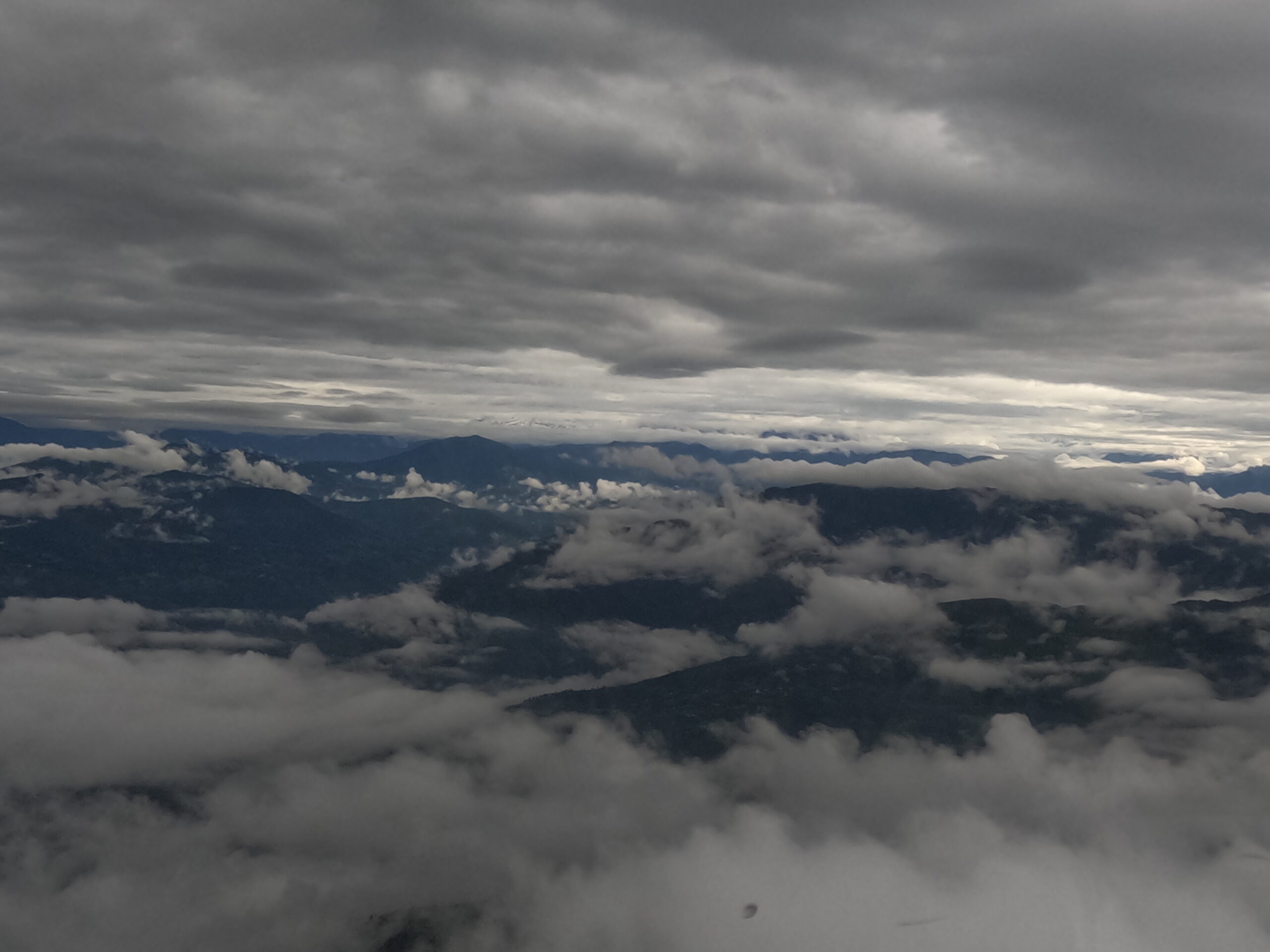
Mountain
Pikey Peak Trek is newly established trekking destination in the lower belt of Khumbu Region offering the view of Mt. Everest and other numerous snow-capped...
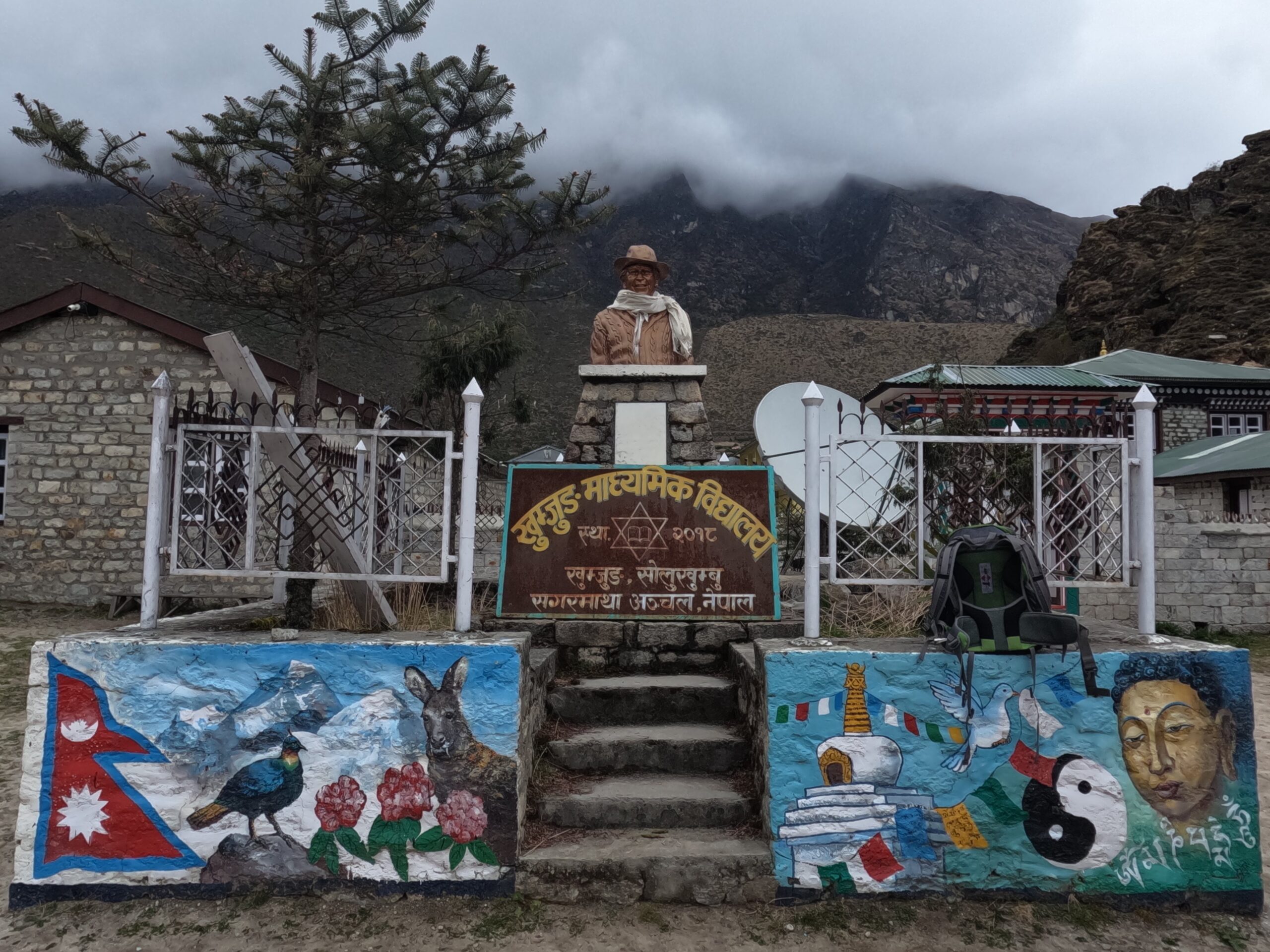
Mountain
Sherpa Villages Trek is one of the most interesting trekking destination to explore the Sherpa Community of Everest Region. Spending the night at different villages...
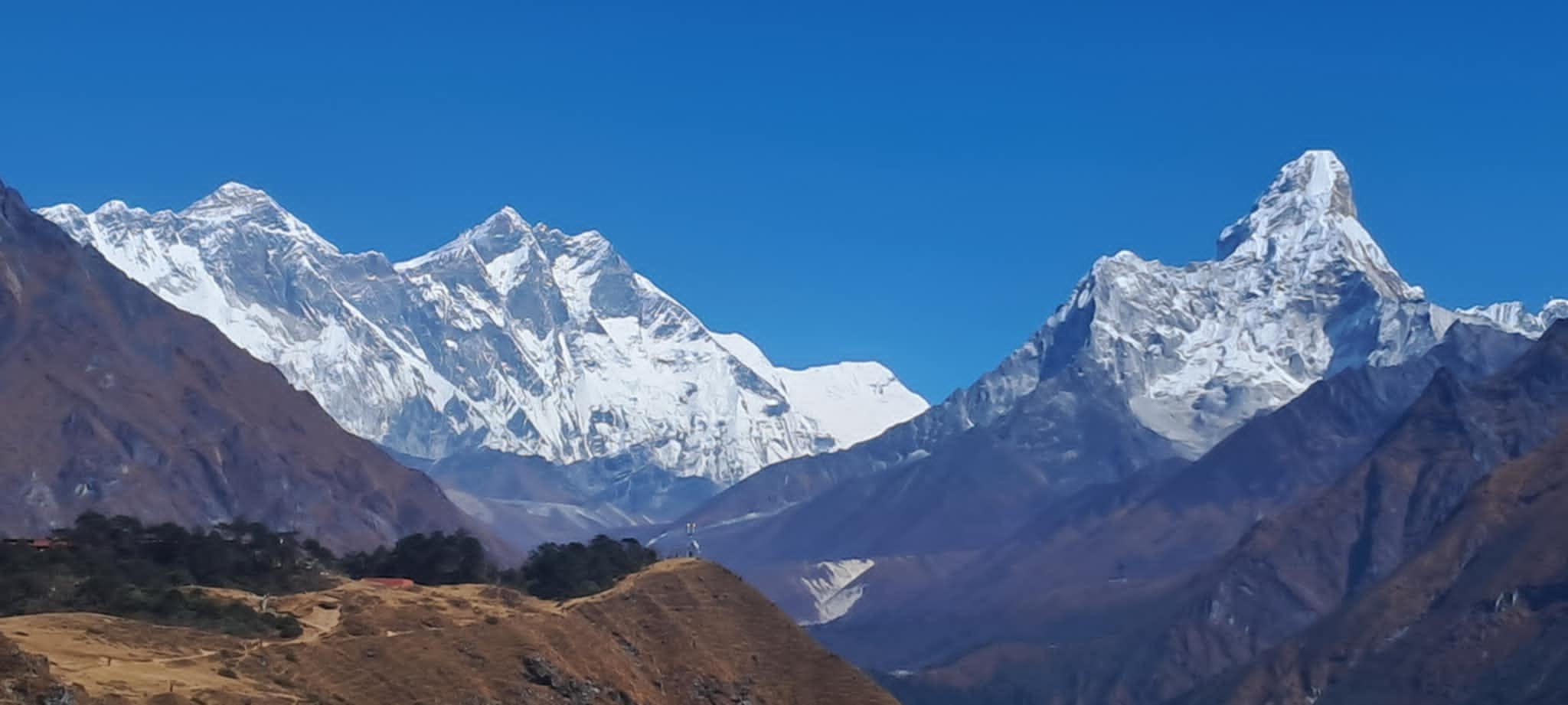
Mountain
The Everest View trek is one of Nepal’s most popular treks that is packed with twisting tracks, lush pastures, Sherpa bazaars and settlements,...
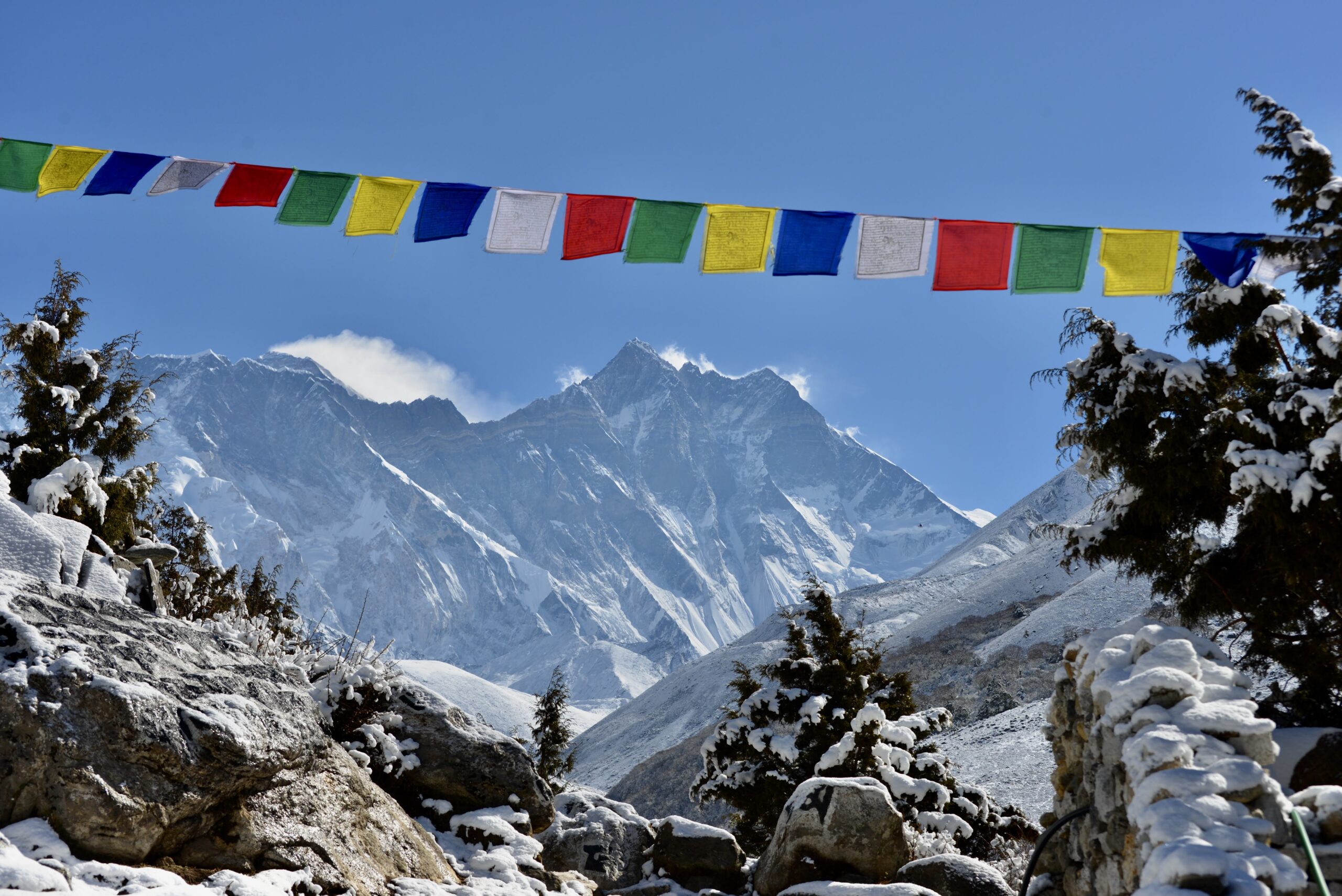
Mountain
The Everest Three Passes trek is the thrilling adventure of walking over the three high mountain passes above 5000m, namely Renjo La Pass, Chola Pass...
Mountain
Gokyo Lakes Trek is one of the popular trekking destination in the Everest Region as an alternative of Everest Base Camp trek featuring the five...
Mountain
The Cho Oyu Base Camp trek is one of thrilling adventure to the base of world's sixth highest peak, Mt. Cho You (8,201m) via fresh...
Mountain
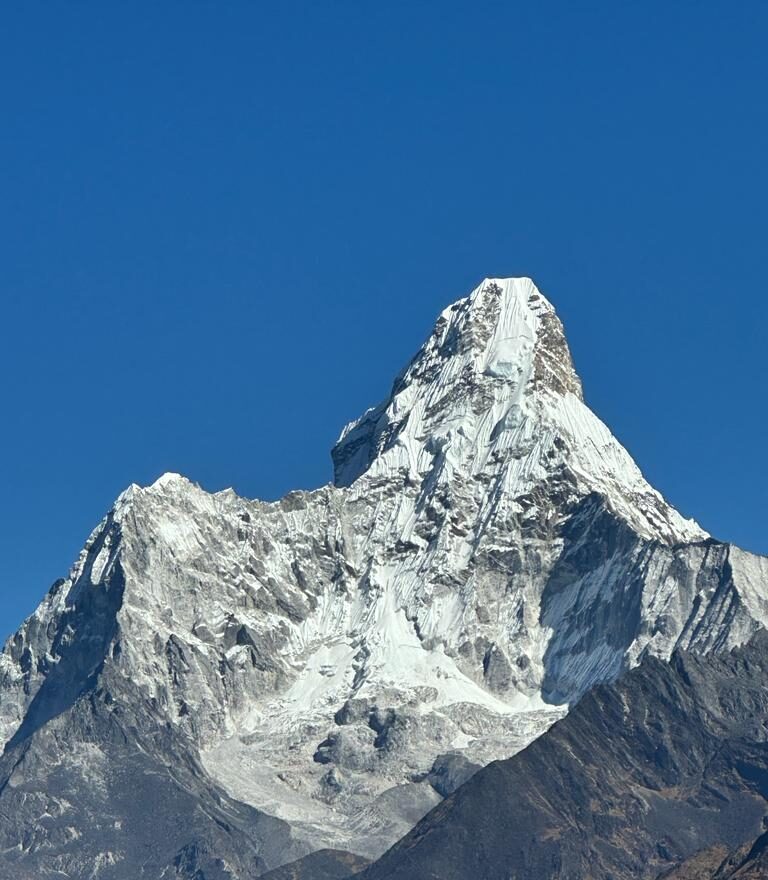
Amadablam Base Camp Trek is one of the fascinating trips to the world's most beautiful and colossal peak of Mt. Amadablam. Undoubtedly this Amadablam Trek...
Mountain
Everest Base Camp Trek is one of the most popular trekking destination and preferred by most of the hikers and trekkers of all around the...